When it comes to building safety and stability, one of the most important aspects to consider is how well the structure can withstand seismic activity. In areas prone to earthquakes, it is essential to take all necessary precautions to ensure that buildings are properly braced and equipped to minimize damage and protect occupants. One key tool in this effort is a seismic bracing kit.
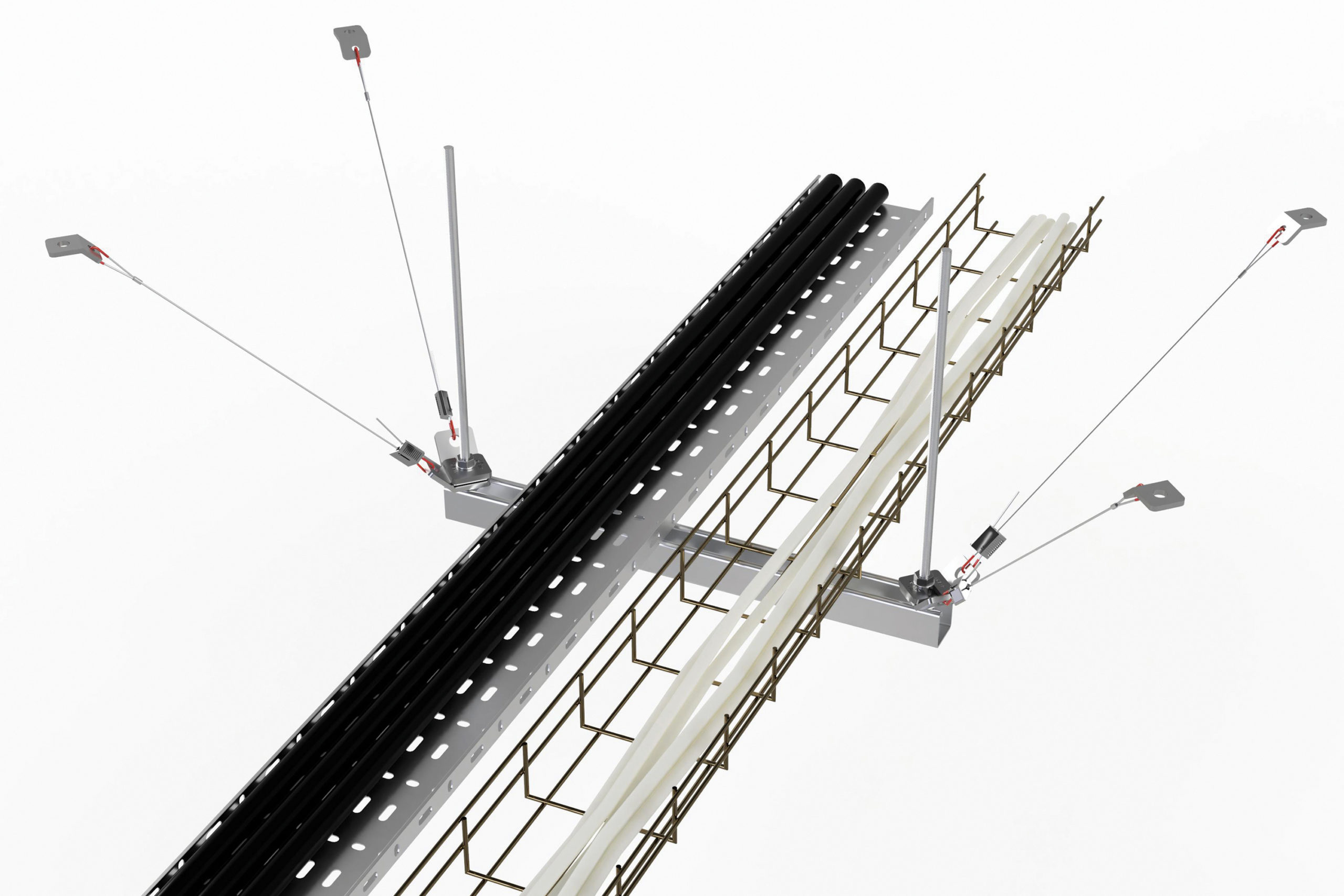
A seismic bracing kit is a collection of components designed to reinforce a building’s structure and prevent it from collapsing or sustaining serious damage during an earthquake. These kits are typically made up of high-strength materials such as steel cables, rods, and brackets that are installed in strategic locations to provide additional support and stability. The goal of a seismic bracing kit is to minimize the impact of seismic forces on a building and enhance its ability to resist shaking and movement.
There are several key benefits to using a seismic bracing kit in a building. First and foremost, these kits can significantly reduce the risk of structural failure during an earthquake, which can help save lives and prevent serious injuries. By reinforcing critical elements of the building’s structure, such as walls, columns, and beams, a seismic bracing kit can help distribute seismic forces more evenly and prevent localized damage that could compromise the integrity of the entire structure.
In addition to improving the overall safety of a building, seismic bracing kits can also help protect valuable equipment and assets inside the structure. In many commercial and industrial buildings, there is a significant amount of sensitive equipment that could be damaged or destroyed during an earthquake. By installing a seismic bracing kit, building owners can reduce the risk of equipment failure and minimize the financial impact of an earthquake-related disaster.
Furthermore, seismic bracing kits can also help reduce the downtime and disruption that can occur following an earthquake. Buildings that are properly braced and reinforced are more likely to remain operational after an earthquake, allowing businesses to resume normal operations more quickly and minimize the financial losses associated with prolonged closures. This can be especially important for critical infrastructure facilities, such as hospitals, schools, and government buildings, where maintaining continuity of operations is essential.
There are several different types of seismic bracing kits available on the market, each designed to meet specific needs and requirements. Some kits are designed for retrofitting existing buildings, while others are intended for new construction projects. The type of kit required will depend on a variety of factors, including the size and shape of the building, the types of materials used in its construction, and the local seismic activity in the area.
When selecting a seismic bracing kit for a building, it is important to work with a qualified structural engineer or seismic design professional who can assess the specific needs of the building and recommend the most appropriate solution. The engineer will consider factors such as the building’s occupancy, its location relative to fault lines, and the expected intensity of seismic activity in the area when determining the best course of action.
In conclusion, seismic bracing kits play a critical role in ensuring the safety and stability of buildings in earthquake-prone areas. By providing additional support and reinforcement, these kits can help minimize damage, protect occupants, and preserve valuable assets in the event of an earthquake. Building owners and managers should consider investing in a seismic bracing kit as part of their overall disaster preparedness strategy to reduce risks and improve the resilience of their structures.